General Information
Phone Numbers
610-734-7600
Kyle McIntyre, Council At Large
Kyle McIntyre, Council At Large
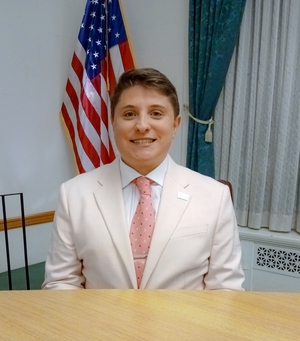
Biography
A lifelong resident and graduate of Upper Darby High School, Councilmember McIntyre brings a deep love for Upper Darby and a strong belief that local government should be accessible, accountable, and responsive to the people it serves.
On Council, he chairs the Planning, Zoning and Building Code Committee and the Legislative & Intergovernmental Affairs Committee, while also serving on Community Engagement and Arts & Recreation.
Councilmember McIntyre brings both experience and heart to his role on Township Council. He earned his B.A. in Political Science and a Master’s in Public Policy from Temple University and previously served on the Upper Darby Zoning Hearing Board. In addition to his work on Council, Councilmember McIntyre has spent years organizing in the community and helping create spaces and build bridges where residents feel seen, supported, and empowered.
As the first openly gay man elected to Upper Darby Council, Councilmember McIntyre is proud to represent the diversity of Upper Darby and believes everyone deserves to feel seen, respected, and included in civic life. His approach to public service is rooted in the idea that government should work for all communities, regardless of background, income, identity, or zip code.
His goals on Council are centered on improving everyday quality of life for residents. He is committed to fighting for more affordable housing, making local government more accessible to all communities, and strengthening accountability so residents can trust that their concerns are being heard and acted on. He believes good government is not just about policy, but about delivering real results that make neighborhoods safer, improve recreational programming, make services stronger, and opportunities more reachable for working families.
In addition to his work on Council, Councilmember McIntyre has spent years serving the community through organizing. As a co-founder of an Upper Darby non-profit, and current staff member, he has helped lead efforts focused on youth programming, public art, advocacy, direct services, and community events. That work reflects his understanding of the importance of supporting small businesses, improving economic development, and reforming our Zoning Code. All of this informs his broader belief that strong communities are built when people are empowered, invested in, and given the tools to thrive.
Council At Large
Kyle McIntyre is a Councilperson-at-large
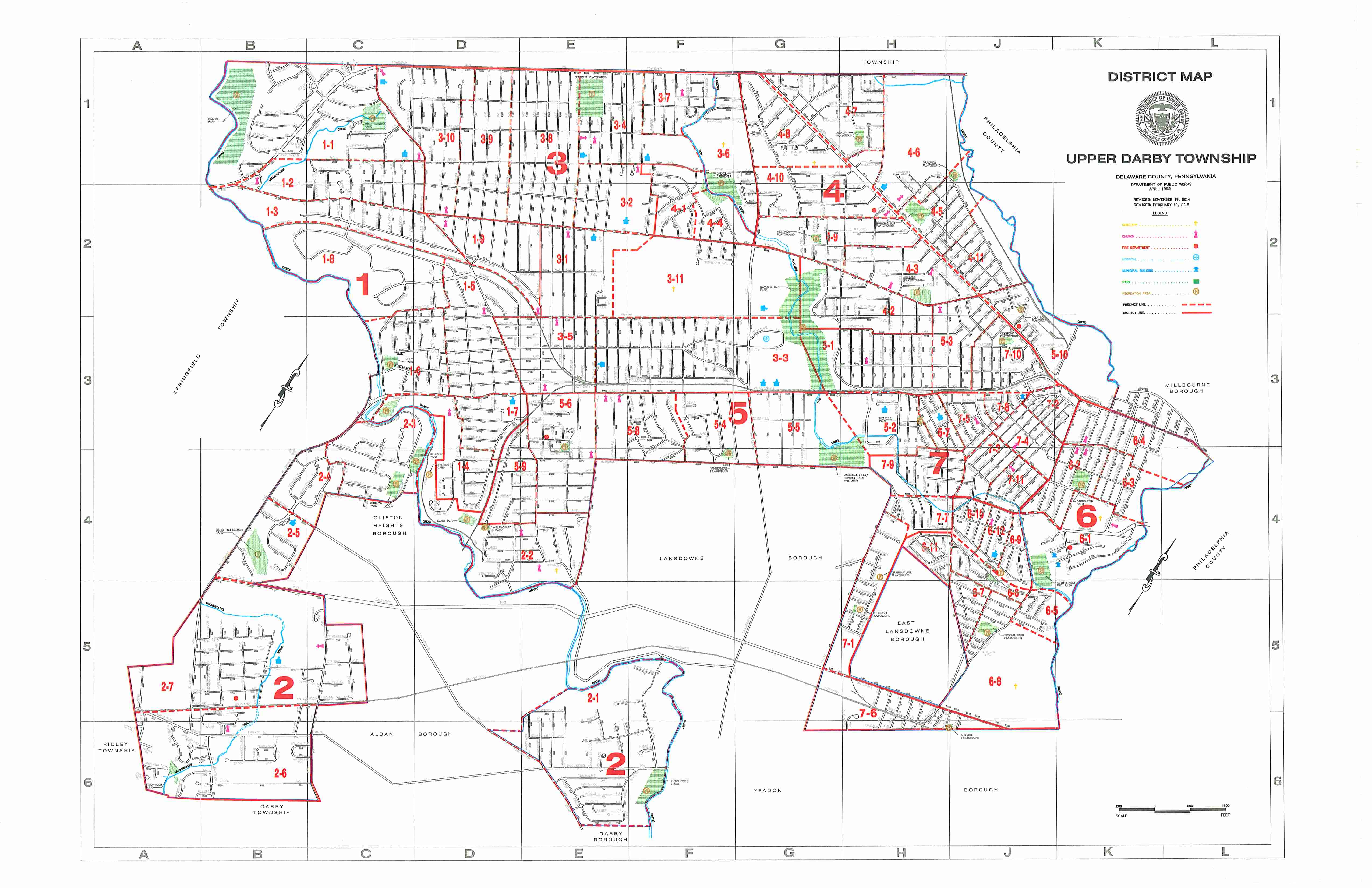
Click for full size view.
Contact
Phone: (610) 457-5578
Email: kmcintyrecouncil@upperdarby.org
Committees
Chair: Planning, Zoning and Building Code
Chair: Legislative & Intergovernmental Affairs
Community Engagement
Arts & Education